
We rebuild,
so life can begin again.
Haboba’s House rebuilds homes, schools and small businesses destroyed by the conflict in Sudan, restoring the foundations that let families and communities begin again.
How Haboba’s House started.
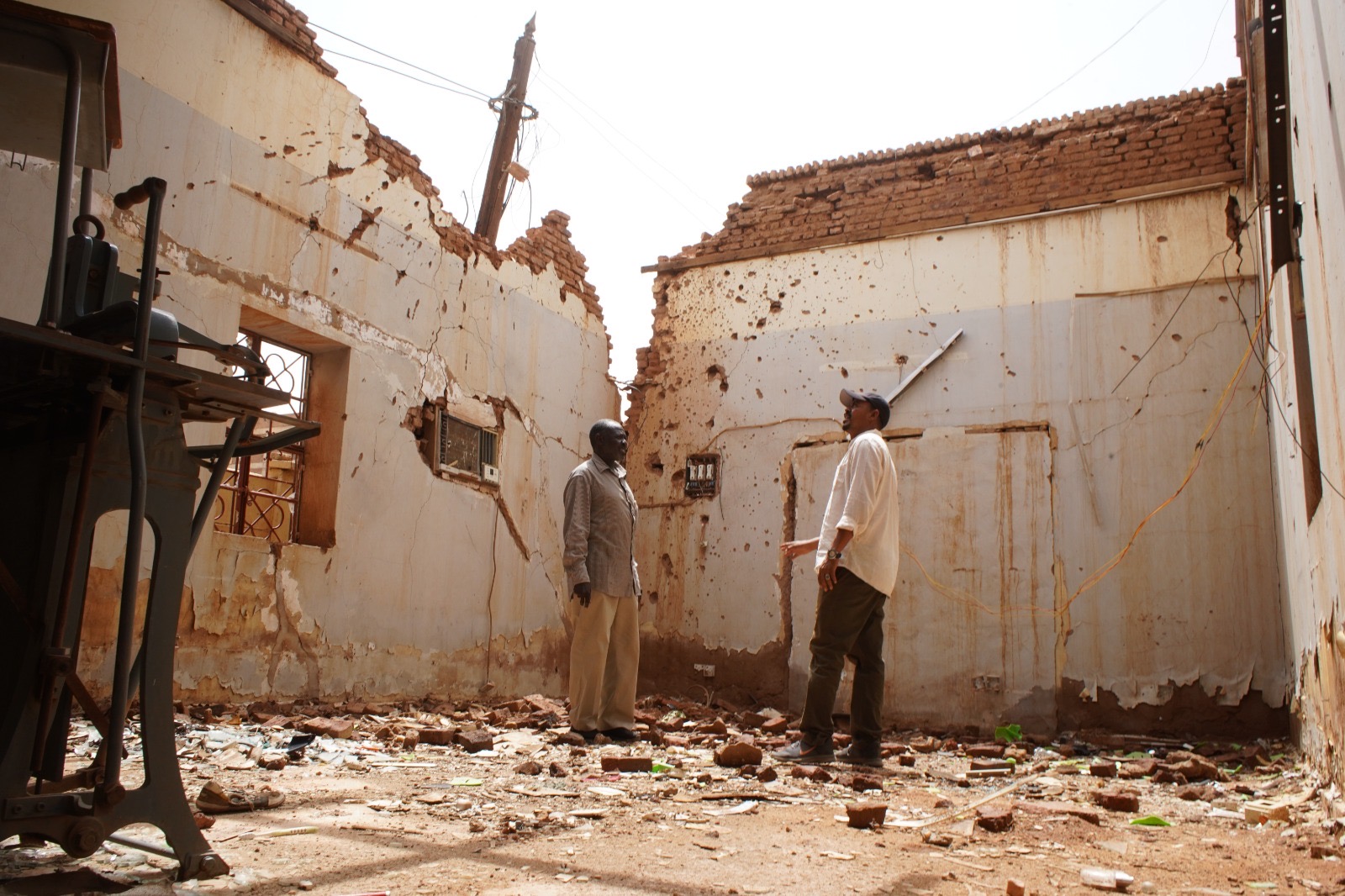
I went looking for the people repairing Sudan’s houses, and I could not find them.
This was 2025, after the RSF withdrew from Khartoum and repair work became possible again. There was extraordinary work happening across the country. Food, medicine, emergency shelter. All of it urgent, all of it keeping people alive. But almost nobody was fixing the buildings themselves, which help people long-term.
As a former architect, that gap in aid was impossible to unsee. So I stopped looking for the initiative I wanted to support, and started it instead.
The name
Haboba means grandma. In Sudanese families, the haboba’s house is the one everybody returns to. It is where the family gathers, where the children are fed and where memories are made. It may not be the biggest house, but it’s the one that holds a family together.
I was born and raised outside Sudan. Our summers were spent almost entirely at my haboba’s house, and most of my memories of the country live inside that one home.
I watched my grandparents pour their life’s work into it. Years of it. Then the conflict took it in an afternoon.
I named this initiative Haboba’s House in honour of that feeling. When we repair a home, we are not only rebuilding walls. We are giving a family back the safety, the dignity and the sense of belonging that the conflict took.
What we do
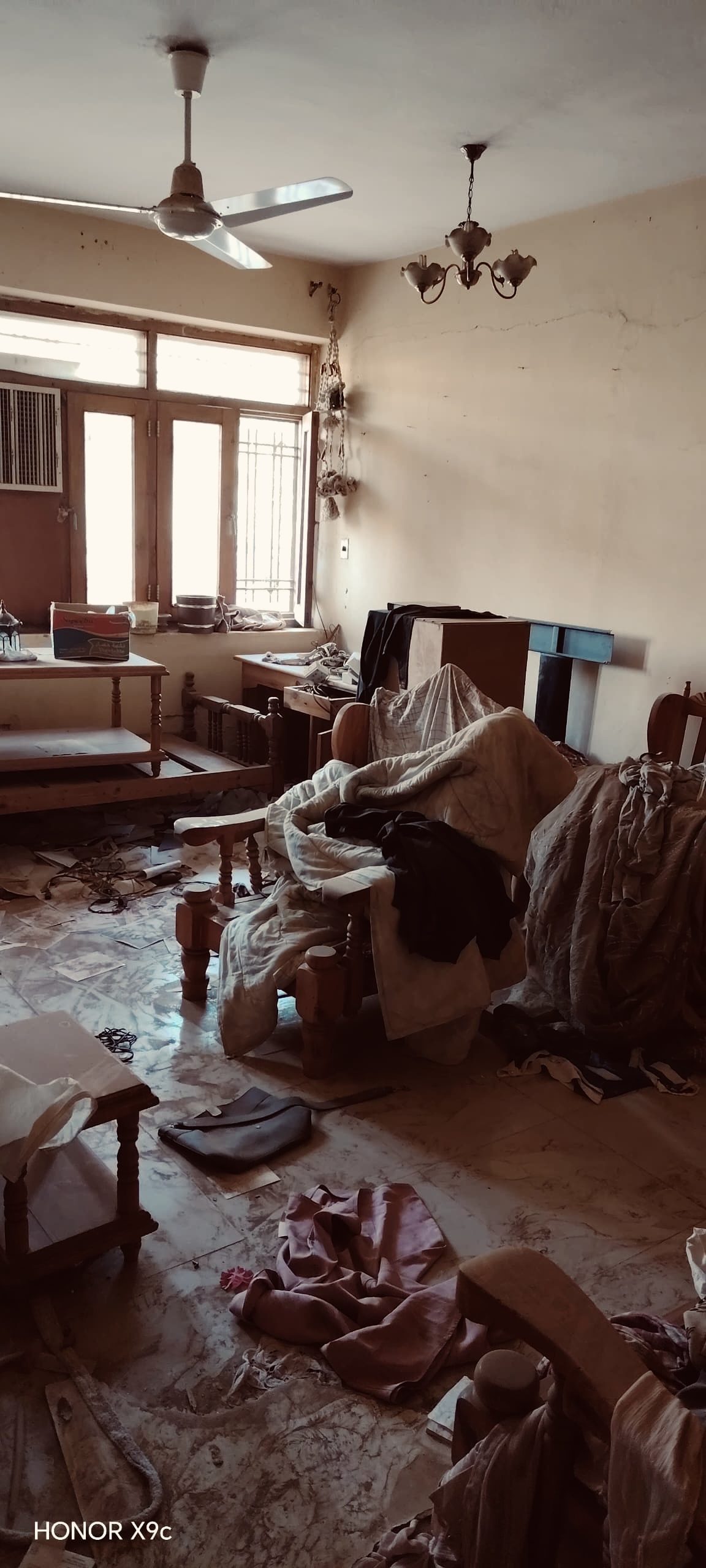
Haboba’s House repairs Sudan’s war-damaged buildings, working in the gap between emergency relief and long term recovery so that communities can rebuild from within. Sudanese hands, rebuilding Sudanese homes.
But a neighbourhood is more than its houses. So we also repair the community buildings and the small businesses that hold a community together, because a street where nothing else has reopened is not really a neighbourhood yet.
Rebuilding does not have to wait for the conflict to end. It can start now.
— Sarah Abuzeid, Founder
Four honest steps, on every project we take on.
Assess
Every request is evaluated individually, with priority given to the most vulnerable people facing the hardest conditions.
Verify
Trusted local coordinators on the ground confirm each project through a structured assessment, whether it’s a home, school or business.
Rebuild
Funds go directly to our team of trusted local Sudanese builders, who procure materials, carry out the repairs and manage each project on the ground. Money and skills stay inside Sudan, and nothing is distributed as cash.
Return
The space is restored and returned to the people and community it belongs to.
Differences Between Project Types
Home Repairs
- Identified through direct outreach.
- Prioritised by vulnerability: families living in damaged homes, those with children, elderly or disabled residents, and significant safety risks.
- Making homes safe, secure and habitable.
- Roof repairs, structural and boundary walls, doors, windows, ceilings and basic electrical repairs.
- Essential safety repairs only.
- Subject to a maximum funding cap.
- Keeps support fair and helps as many families as possible.
Community Buildings
- Selected on community impact, urgency and number of people who benefit.
- Includes schools, education centres and other essential buildings.
- Tailored to the function of the building.
- May include structural repairs, classrooms, ceilings, electrics, water, sanitation, accessibility, doors and windows.
- Larger projects delivered in phases as funding allows.
- Funded via dedicated campaigns (see featured projects), community events and donations.
- No fixed funding cap; budgets set by scope and expected impact.
Small Business Recovery
- Selected on ability to restore a family’s livelihood, community need and local economy.
- Priority where reopening provides immediate, sustainable income.
- Restoring the business so it can reopen and trade again.
- Shop doors and shutters, roof, walls, electrics and other essential repairs.
- Subject to a maximum funding cap.
- Focused on the essential repairs needed to reopen and generate income.
Real progress, project by project.
Last updated 22nd October 2026
Sharing is caring too.
Sudan’s conflict is one of the world’s least-covered crises. Every share puts it back in front of people who can help.
Help us restore the places that hold a community together.
A monthly gift to our All Projects Fund lets us respond wherever the need is greatest, quickly, fairly, and with full transparency.